

What is Naltar Valley?
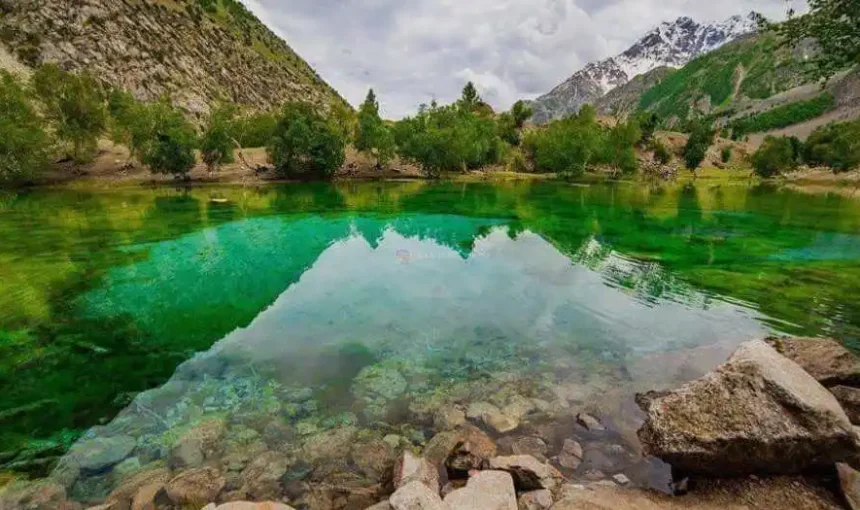
Naltar Valley is one of Pakistan’s most breathtaking yet underrated destinations — a hidden paradise tucked away in the Gilgit-Baltistan province, famous for its extraordinary multi-colored lakes, dense pine forests, snow-capped peaks, and Pakistan’s only ski resort outside of Malam Jabba.
Unlike the more crowded valleys of Hunza or Naran, Naltar Valley retains an untouched, peaceful beauty that rewards every traveler who makes the effort to reach it. Whether you are chasing the electric blue waters of its famous lakes, skiing on fresh powder in winter, or simply breathing in the crisp mountain air — Naltar Valley is an experience unlike any other in Pakistan.
Where is Naltar Valley?
Naltar Valley is located in the Gilgit District of Gilgit-Baltistan, Pakistan. It sits in the western Karakoram mountain range, branching off the main Karakoram Highway just south of Gilgit city.
Naltar Valley Location Details:
| Province | Gilgit-Baltistan |
| District | Gilgit |
| Region | Western Karakoram |
| Coordinates | 36.1°N, 74.2°E |
| Nearest City | Gilgit (45 km) |
| Country | Pakistan |
Naltar Valley is situated within the greater Gilgit-Baltistan region — the same province that is home to Hunza Valley, Skardu, Fairy Meadows, and some of the world’s highest mountain peaks. Its location in the Karakoram range gives it a dramatic landscape of steep forested slopes, glacier-fed lakes, and towering peaks.
Naltar Valley Height & Altitude
One of the key reasons Naltar Valley is so stunningly beautiful — and so dramatically cold in winter — is its high altitude.
| Location | Height / Altitude |
|---|---|
| Naltar Valley Base | 2,898 meters (9,508 feet) |
| Naltar Lakes | 3,100 meters (10,170 feet) |
| Naltar Ski Resort | 3,050 meters (10,007 feet) |
| Surrounding Peaks | Up to 5,000+ meters |
At nearly 10,000 feet above sea level, Naltar Valley experiences cool summers perfect for escaping the heat, and heavy snowfall in winter that transforms it into a skiing paradise. Visitors coming from lower elevations may experience mild altitude effects — staying hydrated and taking it slow on arrival is recommended.
Naltar Valley Lakes — The Main Attraction
The three stunning lakes of Naltar Valley are what make this destination truly world-class. Each lake has a different color — a phenomenon caused by varying depths, mineral content, and light reflection from surrounding glaciers and skies.
1. Blue Lake (Naltar Blue Lake)
The most famous of all the Naltar Valley lakes — the Blue Lake is a vivid, electric-blue glacial lake that looks almost unreal in photographs. Surrounded by pine trees and snow-capped peaks, this lake is the most photographed spot in Naltar Valley and a must-visit for every traveler.
2. Green Lake
Sitting close to the Blue Lake, the Green Lake offers a striking contrast with its deep emerald-green waters. The reflection of pine forests on its surface creates a mirror-like effect that is especially beautiful during early morning hours.
3. Satrangi Lake — Naltar Valley’s Hidden Gem
Satrangi Lake — meaning “Seven Colors” in Urdu — is Naltar Valley’s most magical and remote lake. As sunlight shifts throughout the day, the lake appears to change colors — from deep blue to turquoise to green to golden. Satrangi Lake requires a moderate trek from the main valley but rewards visitors with one of the most extraordinary natural sights in all of Pakistan.
Pro Tip: Visit the lakes between June and September for the most vivid colors. Early morning visits give the clearest reflections before afternoon winds disturb the water surface.
Naltar Valley Road Conditions
Understanding the Naltar Valley road is essential for planning your trip — especially since the route involves a combination of paved highway and rough mountain tracks.
Route Overview
The road to Naltar Valley begins from Gilgit City and follows a single mountain road into the valley. Here is what to expect:
| Segment | Road Type | Condition |
|---|---|---|
| Gilgit City → Naltar Turn (KKH) | Paved Highway | Excellent |
| Naltar Turn → Nomal Village | Paved Road | Good |
| Nomal → Naltar Valley | Mountain Track | Rough — 4×4 required |
| Naltar Valley → Lakes | Jeep Track | Very rough |
Important Road Notes:
- A 4×4 vehicle or jeep is mandatory for the upper section of the Naltar Valley road
- The road is open from May to October — winter snowfall from November to April closes access
- The jeep track to the lakes can be muddy after rain — best visited on clear days
- Local jeeps are available for hire at the valley base for visitors without 4×4 vehicles
How to Reach Naltar Valley
From Islamabad to Naltar Valley
Naltar Valley distance from Islamabad: approximately 600 km
The most common route from Islamabad to Naltar Valley:
By Road (Recommended):
Islamabad → Abbottabad → Besham → Chilas → Gilgit → Naltar Valley
Total Distance: ~600 km
Travel Time: 14–16 hours
Route: Karakoram Highway (KKH / N-35)
By Air + Road (Faster):
Islamabad → Gilgit Airport (PIA flight — 1 hr 15 min)
Gilgit Airport → Naltar Valley (45 km — 1.5 hrs by jeep)
Flying to Gilgit and then driving to Naltar Valley is the most time-efficient option. PIA operates flights to Gilgit 3–5 times per week, subject to weather conditions.
Hunza to Naltar Valley Distance
Hunza to Naltar Valley distance: approximately 110 km
For travelers already visiting Hunza Valley, Naltar is an excellent add-on destination:
Karimabad (Hunza) → Gilgit City → Naltar Valley
Distance: ~110 km
Travel Time: 2.5 to 3 hours
Road: KKH to Gilgit then Naltar road
This makes Naltar Valley a perfect day trip or overnight extension for anyone on a Hunza tour. The drive from Hunza through Gilgit and into Naltar Valley offers spectacular views throughout.
Planning a Hunza trip? Check our 7-Day Islamabad, Shogran & Naran Tour Package or Contact Us to add Naltar Valley to your custom itinerary.
Gilgit to Naltar Valley Distance
Naltar Valley distance from Gilgit: approximately 45 km
Gilgit is the closest major city to Naltar Valley and the main base for most visitors:
Gilgit City → Naltar Valley
Distance: ~45 km
Travel Time: 1.5 to 2 hours
Road: Naltar Valley Road (4x4 required for upper section)
Local jeeps and 4×4 vehicles are readily available for hire in Gilgit city for the Naltar Valley trip.
Lahore to Naltar Valley Distance
Naltar Valley distance from Lahore: approximately 1,050 km
Option 1 — By Road:
Lahore → Islamabad → KKH → Gilgit → Naltar Valley
Distance: ~1,050 km | Time: 18–20 hours

Option 2 — By Air + Road (Recommended):
Lahore → Islamabad (3 hrs by road or 1 hr by flight)
Islamabad → Gilgit Airport (PIA — 1 hr 15 min)
Gilgit → Naltar Valley (45 km — 1.5 hrs)
Things to Do in Naltar Valley
Naltar Valley offers far more than just lake viewing — here are the top things to do in Naltar Valley for every type of traveler:
1. Visit the Famous Naltar Lakes
The absolute must-do activity — spend time at the Blue Lake, Green Lake, and Satrangi Lake. Each lake has a distinct personality and beauty. Allow at least half a day to visit all three comfortably with time for photography and rest.
2. Skiing & Snow Sports (Winter)
Naltar Valley is home to Pakistan’s premier high-altitude ski resort — the Naltar Ski Resort operated by the Pakistan Air Force. With slopes suitable for beginners and experienced skiers, fresh powder snow, and stunning mountain scenery, Naltar is Pakistan’s best skiing destination from December to February.
3. Jeep Safari Through the Valley
The Naltar Valley jeep safari is an adventure in itself — traversing rough mountain tracks, crossing streams, and navigating steep terrain through dense pine forests. Local jeep operators in the valley offer guided safaris.
4. Trekking & Hiking
Naltar Valley offers several beautiful trekking routes for different fitness levels including the trail to Satrangi Lake, forest walks through the pine groves, and longer treks toward surrounding glacier viewpoints.
5. Photography & Landscape Viewing
With three distinctly colored lakes, dense conifer forests, snow-capped peaks, and dramatic mountain light — Naltar Valley is one of Pakistan’s premier photography destinations. Golden hour at the Blue Lake produces extraordinary images.
6. Camping
Camping beside the Naltar Lakes under a sky full of stars is one of the most memorable experiences in Pakistan’s northern areas. Several basic camping spots are available near the lakes — bring your own gear or arrange with local guides.
7. Bird Watching
The pine forests of Naltar Valley are home to a remarkable variety of bird species including the Himalayan Snowcock, Koklass Pheasant, and numerous migratory species making it an excellent destination for bird watching enthusiasts.
8. Visit Naltar Village
The traditional Naltar Village at the base of the valley offers a genuine glimpse into the simple mountain life of Gilgit-Baltistan’s communities — friendly locals, traditional stone houses, terraced fields, and the warm hospitality that northern Pakistan is famous for.
Best Time to Visit Naltar Valley
| Season | Months | Experience |
|---|---|---|
| Spring | April – May | Snow melting, roads opening, fresh green landscape |
| Summer | June – August | Best time — lakes fully accessible, vivid colors |
| Autumn | September – October | Golden foliage, clear skies, fewer crowds |
| Winter | November – March | Heavy snow, ski season, road often closed |
Best overall time: June to September for lake visits and trekking. December to February for skiing.
Important: The upper road to Naltar Lakes is typically closed from November to April due to heavy snowfall. Always confirm road conditions before traveling in shoulder seasons.
Where to Stay in Naltar Valley
Accommodation options in Naltar Valley are limited but growing:
- PTDC Motel Naltar — Basic government-run rest house, most established option
- PAF Rest House — Available to civilians on request, near the ski resort
- Local Guesthouses — Simple local accommodation in Naltar Village
- Camping — Best option for nature lovers near the lakes
- Gilgit City Hotels — For a comfortable base with day trips to Naltar (recommended)
Most visitors prefer to stay in Gilgit City at comfortable hotels and make Naltar Valley a day trip or overnight excursion.
Naltar Valley Travel Tips
- Always hire a local 4×4 jeep from Gilgit or Naltar base — regular cars cannot reach the lakes
- Carry sufficient cash — no ATMs in Naltar Valley
- Bring warm clothing even in summer — temperatures drop significantly at night at 10,000 feet
- Start early — morning visits to the lakes offer the calmest water and best photography light
- Confirm road conditions before departure especially in May and October
- Carry a power bank — electricity is limited in upper Naltar
- Book Gilgit accommodation in advance during peak season (July–August)
- Respect local customs and dress modestly in the village areas
Naltar Valley vs Hunza Valley — Which to Visit?
| Naltar Valley | Hunza Valley | |
|---|---|---|
| Main Attraction | Multi-colored lakes + Skiing | Forts, KKH, Khunjerab Pass |
| Crowd Level | Low — peaceful | High — very popular |
| Road Access | 4×4 required | Regular cars fine |
| Best For | Lakes, skiing, photography | Culture, history, views |
| Duration | 1–2 days | 3–5 days minimum |
| Distance from Gilgit | 45 km | 100 km |
Verdict: Visit both! Naltar Valley makes a perfect 1–2 day addition to any Hunza Valley tour.
Contact Travel With HSQ to add Naltar Valley to your custom northern Pakistan itinerary.
Frequently Asked Questions — Naltar Valley
Q: Where is Naltar Valley located? Naltar Valley is located in the Gilgit District of Gilgit-Baltistan province in northern Pakistan, approximately 45 km from Gilgit city in the western Karakoram mountain range.
Q: What is the height of Naltar Valley? Naltar Valley base sits at approximately 2,898 meters (9,508 feet) above sea level. The famous Naltar Lakes are located at around 3,100 meters (10,170 feet).
Q: How to reach Naltar Valley from Islamabad? From Islamabad you can either drive via the Karakoram Highway to Gilgit (14–16 hours, ~600 km) and then take a jeep to Naltar (45 km), or fly to Gilgit Airport via PIA (1 hour 15 minutes) and then drive to Naltar Valley in 1.5 hours.
Q: What is the distance from Hunza to Naltar Valley? The distance from Hunza (Karimabad) to Naltar Valley is approximately 110 km, taking about 2.5 to 3 hours via Gilgit city.
Q: What are the lakes in Naltar Valley? Naltar Valley has three main lakes — the Blue Lake, the Green Lake, and the Satrangi Lake (Seven Colors Lake). Each lake has a different color due to varying depth, mineral content, and light conditions.
Q: What is Satrangi Lake in Naltar Valley? Satrangi Lake, meaning “Seven Colors” in Urdu, is Naltar Valley’s most spectacular lake. It appears to change colors throughout the day as sunlight shifts — ranging from deep blue to turquoise, green, and golden. It requires a moderate trek to reach.
Q: Is a 4×4 vehicle required for Naltar Valley? Yes, the upper section of the Naltar Valley road and the track to the lakes require a 4×4 vehicle or local jeep. Regular cars cannot safely access the lakes. Local jeeps are available for hire in Gilgit and at the valley entrance.
Q: What is the best time to visit Naltar Valley? June to September is the best time for lake visits and trekking when roads are fully open and lake colors are most vivid. December to February is ideal for skiing at Naltar Ski Resort.
Q: How far is Naltar Valley from Lahore? Naltar Valley is approximately 1,050 km from Lahore. The fastest route is flying from Lahore to Islamabad, then flying Islamabad to Gilgit, and driving 45 km to Naltar Valley.
Q: How far is Naltar Valley from Gilgit? Naltar Valley is approximately 45 km from Gilgit city, taking 1.5 to 2 hours by jeep via the Naltar Valley road.
Plan Your Naltar Valley Trip with Travel With HSQ
Ready to experience the magic of Naltar Valley’s extraordinary lakes and mountain landscapes? At Travel With HSQ we offer customized northern Pakistan itineraries that combine Naltar Valley with Hunza, Gilgit, Fairy Meadows, and beyond.
👉 Contact Us to Plan Your Naltar Valley Trip 👉 Browse All Pakistan Tour Packages 👉 Explore Gilgit-Baltistan Destinations