

Azad Kashmir is one of those rare places that genuinely earns every compliment thrown at it. Tucked between the Greater Himalayas and the Pir Panjal range, this self-governing territory of Pakistan holds some of the most dramatic landscapes in all of South Asia. Green river valleys, snow-capped peaks, rushing waterfalls, and alpine meadows — it is the kind of scenery that stops you mid-sentence when you see it for the first time.
Summer — from May to September — is when Azad Kashmir comes fully alive. The mountain roads open up, the flowers bloom across the hillsides, and the high-altitude lakes and passes become accessible after months under snow. Whether you are planning a family trip, a solo adventure, or a honeymoon escape, the famous places in Azad Kashmir have something to offer every kind of traveler.
This complete guide covers the best places to visit in Azad Kashmir in Summer 2026, with practical travel tips, distances, and what makes each destination worth your time.
Why Summer Is the Best Time to Visit Azad Kashmir
Before diving into the destinations, it helps to understand why summer stands out as the ideal season for Azad Kashmir tourism.
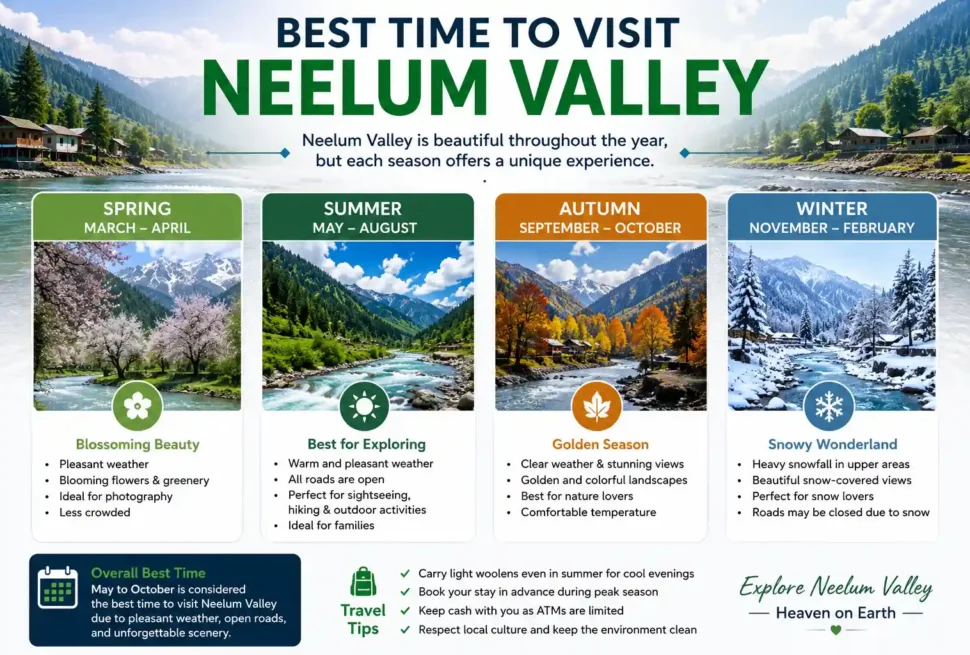
From May onward, maximum high-altitude destinations — including Ratti Gali Lake, Taobut Valley, and Shounter Pass — become fully accessible. The Neelum Valley road opens up completely, temperatures stay pleasant between 15°C and 28°C in most areas, and the vegetation is at its most lush and vivid. Monsoon rains in July and August bring an added layer of beauty to the forests and waterfalls, though travelers should check road conditions before heading into remote areas during peak rainfall.
For anyone researching Azad Kashmir tourist places, summer offers the widest range of options — from comfortable family resorts to challenging trekking routes.
1. Neelum Valley — The Crown Jewel of Azad Kashmir
No list of places to visit in Azad Kashmir is complete without starting here. Neelum Valley stretches roughly 250 kilometers along the Neelum River, running parallel to the Line of Control and carving through some of the most beautiful terrain in the country.
The valley is a series of towns and villages — Athmuqam, Sharda, Keran, Kel, and Taobut — each with its own character and natural appeal. The river itself changes color depending on the altitude, shifting from deep turquoise to bright aquamarine as you go higher.
What makes it unmissable in summer:
- The entire 250 km stretch is accessible only from May to October
- Waterfalls are at their most powerful after spring snowmelt
- Temperatures at Kel and Taobut remain cool even at peak summer (14°C–22°C)
- Apple orchards and wildflower meadows are in full bloom
Key distances from Muzaffarabad:
- Athmuqam: 95 km (2 hours)
- Sharda: 130 km (3.5 hours)
- Kel: 165 km (5 hours)
- Taobut: 215 km (7–8 hours)
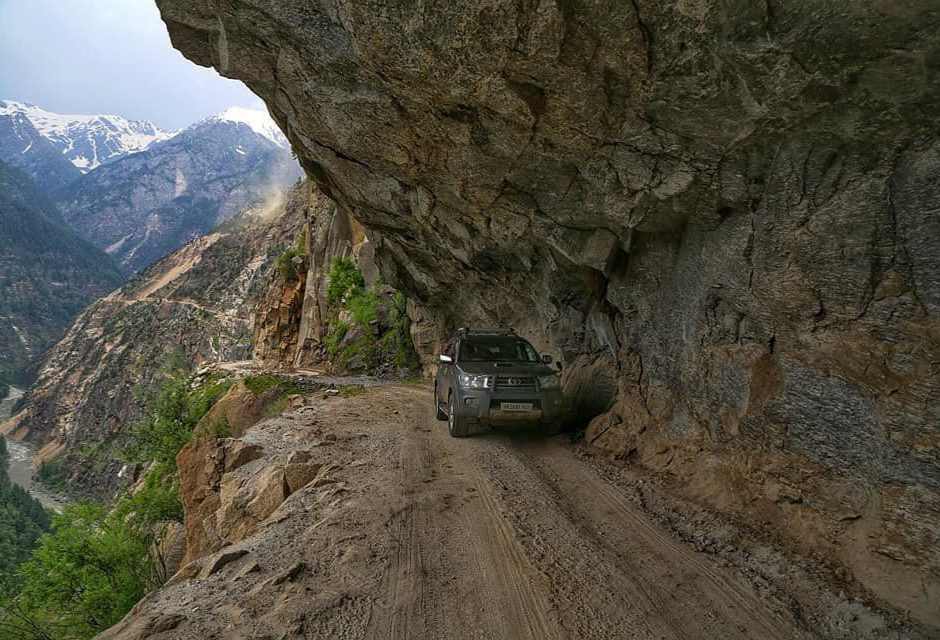
The drive itself is half the experience. The Neelum Valley road hugs cliffside slopes, crosses narrow bridges, and rewards you with valley views that feel almost unreal.
2. Ratti Gali Lake — Azad Kashmir’s Most Beautiful Alpine Lake
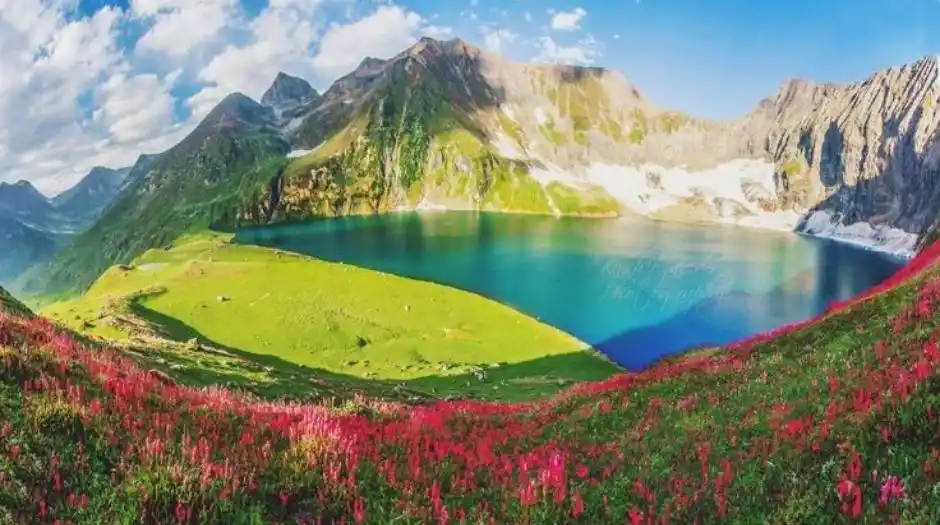
If you ask any experienced traveler to name the single most beautiful place in Azad Kashmir, Ratti Gali Lake will come up in nearly every answer. Sitting at an elevation of approximately 3,700 meters above sea level, this glacial lake is surrounded by snow-covered peaks on three sides and reflects a deep, clear blue that barely looks real in photographs.
The lake is accessible only between June and September. It sits near the village of Dowarian in Neelum Valley, and the trek from the base camp takes around 2.5 to 3 hours each way through alpine meadows and rocky paths.
What to know before you go:
- The road to Dowarian is rough; a 4WD vehicle is strongly recommended from Kel
- Camping near the lake is allowed and highly recommended — sunsets and sunrises here are extraordinary
- Bring warm clothing even in July; nights drop to 3°C–8°C
- No mobile network at the lake; inform family of your plans before trekking up
Ratti Gali consistently ranks among the most beautiful places in Azad Kashmir, and it is genuinely hard to argue with that once you have seen it.
3. Sharda — Ancient History Meets Mountain Beauty
Located at an elevation of about 2,200 meters along the Neelum River, Sharda is one of those Azad Kashmir beautiful places that carries historical weight alongside natural beauty. The ruins of the ancient Sharda Peeth temple — once a celebrated center of learning for the Sharada script — sit on a hillside above the town, drawing both history enthusiasts and curious travelers.
Beyond the ruins, Sharda offers easy access to nearby glaciers, clean mountain air, and a peaceful riverside setting that makes it ideal for those who want to slow down and spend a few days absorbing the surroundings rather than constantly moving.
Summer highlights:
- The Sharda University ruins are most photogenic against summer greenery
- Nearby Sargan and Surgan areas offer short hiking routes
- Local guesthouses serve fresh trout caught from the river
4. Keran — Where Two Worlds Sit Across a River
Keran is one of the most emotionally resonant places in all of Azad Kashmir. The town sits directly across the Neelum River from Indian-administered Kashmir, and on clear days, you can see villages on the other side with ease. Families separated by the Line of Control have reportedly caught glimpses of each other from the two banks — a detail that gives Keran a quietly poignant atmosphere unlike anywhere else.
Practically speaking, Keran is also just a beautiful mountain town. The surrounding forests of pine and fir are dense, the air smells of earth and water, and the Keran Rest House (if booked) offers one of the better riverside views in the valley.
5. Taobut — The Last Village Before the High Passes
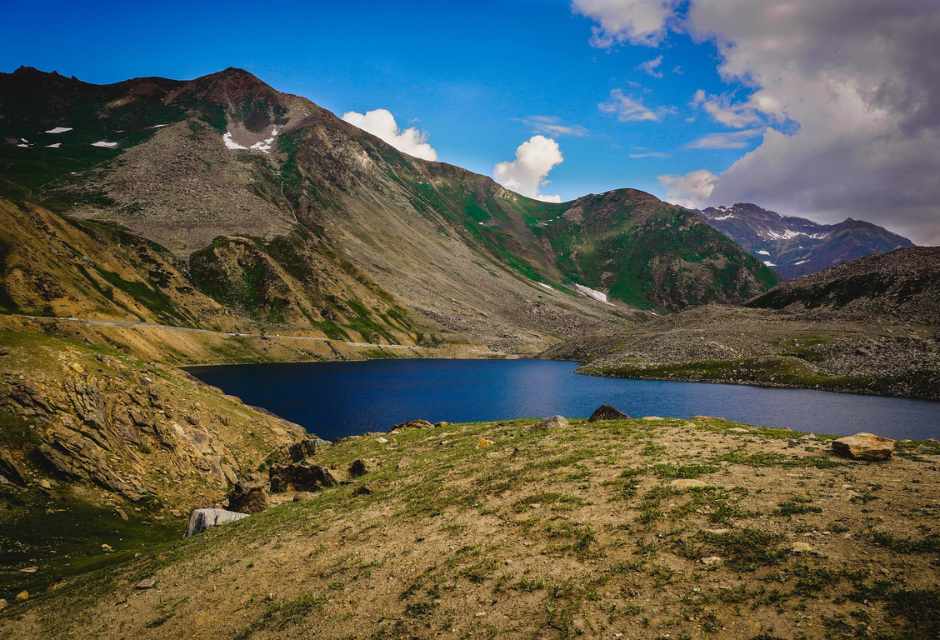
Taobut is the furthest accessible point in Neelum Valley before the glaciers and high-altitude passes take over. At roughly 2,700 meters, it sits in a wide green bowl surrounded by mountains and serves as the base for trekkers heading to Shounter Pass and beyond.
Most visitors to Azad Kashmir tourist places never make it this far — which is exactly what makes Taobut worth the effort. The roads here are rough and the accommodation is basic, but the solitude and scenery are extraordinary.
Summer is the only viable time to reach Taobut, and even then, the final stretch requires a capable vehicle and some preparation.
6. Banjosa Lake — Perfect for Families Near Rawalakot
Not everyone wants to spend days on mountain roads. Banjosa Lake, located about 19 kilometers from Rawalakot, offers a much more accessible version of Azad Kashmir beauty. At around 1,981 meters above sea level, the lake sits inside a dense pine forest and can be easily reached from Rawalakot in under 30 minutes.
Paddle boats on the lake, walking trails through the forest, and a cooler climate even at peak summer make Banjosa one of the most family-friendly places to visit in Azad Kashmir. The Banjosa Rest House, perched above the lake, is one of the most photographed buildings in the region.
Best for: Family trips, short weekend getaways, travelers based in Rawalakot or Poonch
7. Rawalakot — The City of Mists
Rawalakot is the administrative headquarters of Poonch District and serves as an excellent base for exploring the surrounding area. Sitting at around 1,676 meters above sea level, the town experiences cool summers and is surrounded by rolling green hills that give it a distinctly different feel from the dramatic Neelum Valley.
The famous Banjosa Lake, Toli Peer viewpoint, and Sudhan Gali are all within easy reach from Rawalakot. For travelers who prefer some infrastructure and comfortable accommodation, Rawalakot is one of the most livable Azad Kashmir places to visit while still offering genuine mountain scenery.
8. Toli Peer — A Meadow in the Clouds
Toli Peer is a high-altitude plateau located about 35 kilometers from Rawalakot at an elevation of approximately 3,130 meters. During summer, the plateau is covered in lush green meadows dotted with wildflowers, and on clear days, the views extend across multiple mountain ranges.
The road to Toli Peer passes through dense forests, and the temperature at the top can drop significantly even on summer afternoons. Camping on the plateau overnight is one of the more memorable experiences in the region — the sky here, away from any city light, is excellent for stargazing.
9. Kel — Gateway to Ratti Gali
Kel deserves its own entry beyond just being the jumping-off point for Ratti Gali. The village itself sits at around 2,097 meters in a wide section of Neelum Valley and is surrounded by dense forests on all sides. The air quality here is remarkable — crisp and clean in a way that is noticeable within the first hour of arrival.
A short walking trail from the village leads to a local waterfall, and the forest walks around Kel are peaceful and well worth an afternoon. Most travelers use Kel as a rest stop before trekking to Ratti Gali, but spending an extra day here is never time wasted.
10. Sudhan Gali — A Quiet Escape Above Rawalakot
At around 2,700 meters above sea level, Sudhan Gali sits above Rawalakot and offers wide panoramic views across the valley below. The meadows here are broad and green in summer, and the area sees far fewer visitors than better-known spots like Neelum Valley — which gives it an easy, unhurried pace.
A short cable car connects Sudhan Gali to the valley below, and the ride itself offers excellent views. For travelers looking for Azad Kashmir beautiful places that are not yet crowded with tour groups, Sudhan Gali fits the description well.
11. Muzaffarabad — The Starting Point Worth Exploring
Most travelers pass through Muzaffarabad quickly, treating it purely as a transit point on the way to Neelum Valley. That is a mistake. The capital of Azad Kashmir sits at the confluence of the Neelum and Jhelum rivers and holds some genuinely interesting historical sites.
Highlights worth your time:
- Red Fort (Lal Qila): A 16th-century fort overlooking the Neelum River
- Patan Dam: A scenic spot near the city for an evening walk
- Chakothi: A border village 55 km from Muzaffarabad with historic significance and mountain views
Arriving a day early in Muzaffarabad before heading into the valley lets you acclimatize, rest, and cover local sights before the longer drives ahead.
Practical Travel Tips for Summer 2026
Best time to go: Mid-May through September. June and July offer the widest access to high-altitude destinations. August sees monsoon rains, which are beautiful but can occasionally cause road closures.
Getting there: Most travelers fly to Islamabad and drive to Muzaffarabad (roughly 135 km, 3 hours). From Muzaffarabad, Neelum Valley road begins.
Vehicle: A standard car is fine for Muzaffarabad, Rawalakot, Keran, and Sharda. For Kel, Taobut, and Ratti Gali base camp, a 4WD is strongly recommended.
Permits: Some areas near the Line of Control require a No Objection Certificate (NOC) from the local administration. Check current requirements before traveling, as rules can change seasonally.
Accommodation: Book hotels and rest houses at least 2–3 weeks in advance for peak summer (mid-June through mid-August). PTDC and AJK Tourism rest houses are available at most major destinations but fill up fast.
Mobile network: Jazz and Zong have the widest coverage in Neelum Valley. Signal drops significantly beyond Sharda. Always inform someone of your itinerary before heading to remote areas.
Budget estimate: A 7-day trip covering Muzaffarabad, Neelum Valley, and Rawalakot typically costs between PKR 60,000–PKR 100,000 per person, depending on accommodation choices and vehicle rental.
Suggested 7-Day Summer Itinerary for Azad Kashmir
Day 1: Islamabad → Muzaffarabad (135 km). Explore Red Fort and Patan Dam. Overnight in Muzaffarabad.
Day 2: Muzaffarabad → Sharda (130 km). Stop at Keran en route. Visit Sharda ruins. Overnight in Sharda.
Day 3: Sharda → Kel (35 km). Afternoon forest walk. Overnight in Kel.
Day 4: Full day Ratti Gali Lake trek from Kel. Return to Kel. Overnight camping near the lake (if prepared) or back in Kel.
Day 5: Kel → Taobut (50 km). Explore the valley, short hikes. Overnight in Taobut.
Day 6: Taobut → Rawalakot via Muzaffarabad (full travel day). Overnight in Rawalakot.
Day 7: Banjosa Lake, Sudhan Gali, and Toli Peer. Return to Islamabad in the evening.
Frequently Asked Questions About Azad Kashmir
Q: What is the best time to visit Azad Kashmir? Summer — from late May to September — is widely considered the best time to visit Azad Kashmir. The high-altitude areas like Ratti Gali Lake and Taobut are only accessible during these months, temperatures are pleasant, and the scenery is at its most vivid. Spring (April–May) and autumn (October) are also beautiful but limit access to some destinations.
Q: Is Azad Kashmir safe to visit in 2026? Yes, Azad Kashmir is generally safe for tourists. The region has a well-established tourism industry and receives hundreds of thousands of visitors each year. As with any mountainous area, standard precautions apply: check road conditions before travel, avoid driving at night on narrow mountain roads, and inform someone of your itinerary when heading into remote areas.
Q: Do I need a permit to visit Neelum Valley? Foreign nationals typically need a No Objection Certificate (NOC) to visit Neelum Valley. Pakistani nationals do not currently require special permits for most areas, though some zones near the Line of Control have additional requirements. It is best to confirm current regulations with the AJK Tourism Department before your trip.
Q: What is the famous place in Azad Kashmir that everyone should see? Ratti Gali Lake and Neelum Valley are the two destinations most consistently mentioned by travelers as unmissable. Ratti Gali in particular — with its glacial blue water surrounded by snow peaks — is widely considered the most beautiful natural sight in Azad Kashmir.
Q: How many days are enough for Azad Kashmir? A minimum of 5–7 days is recommended to cover Muzaffarabad, Neelum Valley, and the Rawalakot area properly. If you want to include Ratti Gali Lake trek and explore Taobut, 7–10 days gives you a comfortable pace without rushing.
Q: What should I pack for a summer trip to Azad Kashmir? Light layers for daytime, a warm jacket and fleece for evenings and high altitudes, sturdy walking shoes, sunscreen, rain gear for the monsoon months (July–August), a power bank (electricity can be unreliable in remote areas), and any personal medication. Cash is essential — ATMs are available in Muzaffarabad and Rawalakot but not in Neelum Valley beyond Athmuqam.
Q: Can I visit Azad Kashmir on a budget? Yes. Azad Kashmir is one of the more affordable mountain destinations in Pakistan. PTDC rest houses and local guesthouses offer clean accommodation from PKR 3,000–8,000 per night. Local food — daal, rice, fresh trout, and chapati — is inexpensive and widely available. A well-planned 7-day trip can be done for PKR 60,000–70,000 per person including transport, food, and accommodation.
Q: Are there ATMs in Neelum Valley? There are ATMs in Muzaffarabad and Athmuqam. Beyond Athmuqam, cash infrastructure becomes limited. Always carry enough cash for your full stay in the valley before leaving Muzaffarabad.
Final Thoughts
Azad Kashmir tourist places cover a remarkable range — from easily accessible lakeside resorts to remote trekking destinations that require a full day of driving and a good pair of boots. What ties them together is a level of natural beauty that is genuinely hard to find elsewhere in Pakistan, or anywhere in the world.
Summer 2026 is shaping up to be a strong season for Azad Kashmir tourism, with improved roads in parts of Neelum Valley and growing accommodation options across the region. Whether this is your first time or your fifth, the mountains here have a way of making you feel like you are seeing something for the first time.
Plan early, move at a comfortable pace, and leave room for the unexpected detours — in Azad Kashmir, they are almost always worth taking.